Mon–Sat 6–9 PM · Sun 10–12Puppalaguda

Service 05

Careful care for fever, infections and common illnesses

Thoughtful evaluation for fever, cough, ear-throat concerns, stomach illness and recurrent infections.

Puppalaguda • HyderabadMon–Sat 6:00 PM – 9:00 PM · Sun 10:00 AM – 12:00 PM (by appointment)
Call Clinic
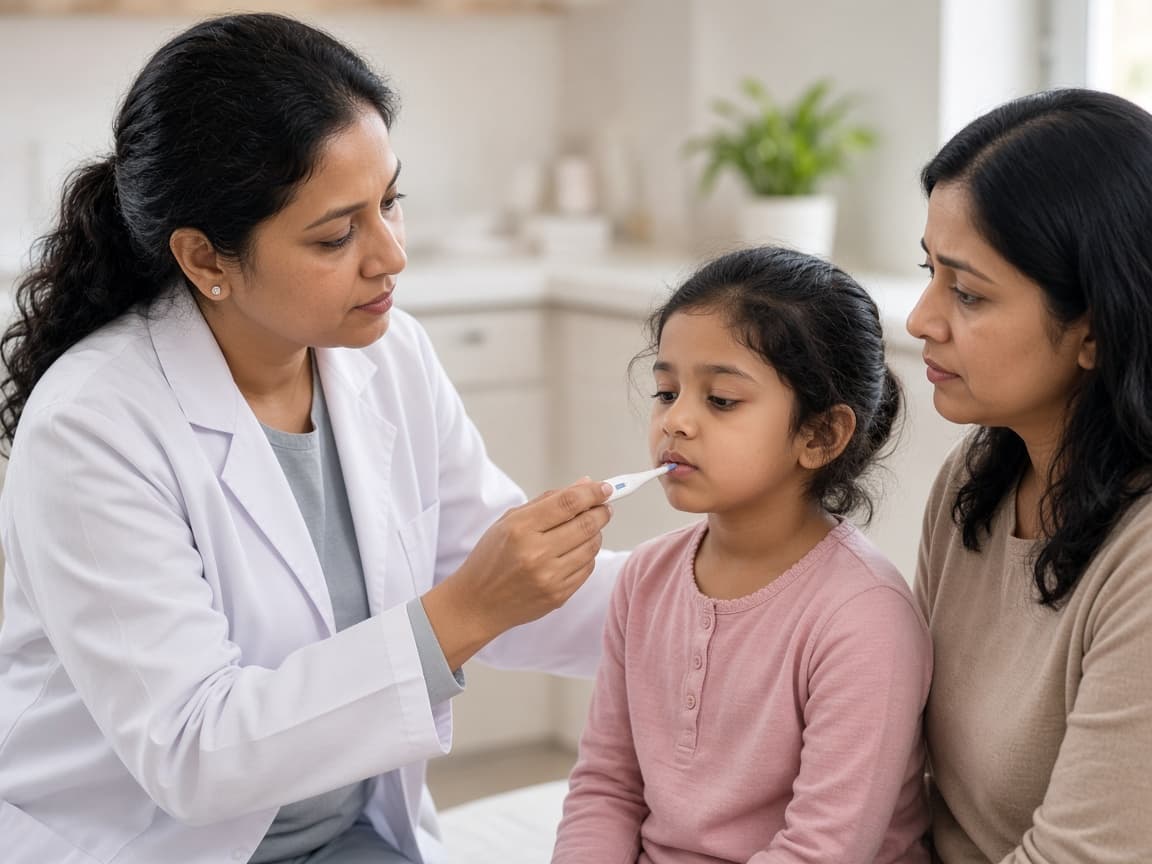
Pediatric Infections & Common Illnesses at Dr. Lavanya Kids Care in Puppalaguda, Hyderabad

At a glance

What to expect from this visit

Common concerns
Fever, cough, ear, tummy
Approach
Careful exam + home plan
Antibiotics
Only when indicated
Urgent signs
Clearly explained
Serving
Puppalaguda & Hyderabad
Pediatric Infections & Common Illnesses overview at Dr. Lavanya Kids Care in Puppalaguda, Hyderabad

Service overview

What is Pediatric Infections & Common Illnesses?

Pediatric infection and illness care evaluates fever, respiratory symptoms, digestive concerns and recurrent common illnesses - guiding recovery at home when appropriate and identifying red flags early.

Who is it for?

Children with fever, infections, digestive concerns or repeated common illnesses.

Why it matters

Timely, clear pediatric guidance helps families manage concerns confidently and know when closer attention is needed.

Key benefits

How this care helps your family

  1. 01

    Fever clarity

    Guidance on monitoring, comfort care and urgent signs.

  2. 02

    Infection-focused exam

    Review of breathing, hydration, feeding and appearance.

  3. 03

    Home recovery plans

    Practical hydration, rest and comfort measures.

  4. 04

    Antibiotic stewardship

    Clear explanation of when medicines may help.

  5. 05

    Recurrent illness review

    Looking at patterns, nutrition and prevention support.

  6. 06

    Parent reassurance

    Plain-language answers during sick days.

What is included

Care features with clear next steps

Fever and infection management for children at Dr. Lavanya Kids Care, Hyderabad
01

Fever and infection management

Fever and infection management focuses on understanding the cause of fever, how your child looks overall, and which supportive measures are appropriate. Guidance covers hydration, comfort care and monitoring for warning

Cold cough and flu care for children at Dr. Lavanya Kids Care, Hyderabad
02

Cold, cough and flu care

Cold, cough and flu care helps families manage common respiratory illnesses with practical comfort measures and clear recovery expectations. Evaluation reviews breathing effort, feeding, sleep and associated symptoms to

Throat and ear infection evaluation at Dr. Lavanya Kids Care, Hyderabad
03

Throat and ear infections

Throat and ear infections can cause pain, fever, poor feeding and disturbed sleep in children. Evaluation helps determine whether symptoms suggest a viral illness, bacterial concern or another cause needing treatment. Pa

How it works

A clear visit pathway

  1. Share concerns

    Tell us what you have noticed - symptoms, feeding, sleep, growth or development questions.

  2. Clinical evaluation

    A careful history and examination help clarify likely causes and urgency.

  3. Clear care plan

    You receive practical home guidance, warning signs and follow-up timing.

  4. Follow-up support

    We outline when to return, call, or seek emergency care if things change.

Why choose us

Trusted pediatric care in Puppalaguda

  1. 01

    Neonatology-informed pediatrics

    Fellowship-trained newborn expertise that strengthens early childhood care.

  2. 02

    Evidence-based guidance

    Recommendations grounded in current pediatric practice - without exaggerated claims.

  3. 03

    Family-centered visits

    Time to ask questions and leave with a plan you understand.

  4. 04

    Convenient Hyderabad access

    Evening clinic hours at Magenta Superspeciality Clinics, Puppalaguda.

In-depth guide

Complete guide to Pediatric Infections & Common Illnesses

Educational information to help parents understand this area of care. It does not replace a personal medical consultation.

Pediatric infection care with careful assessment

Infections are among the most common reasons families seek pediatric care. At Dr. Lavanya Kids Care in Puppalaguda and Manikonda, Hyderabad, evaluation of childhood infections focuses on accurate assessment, comfort-focused management, and clear guidance on warning signs. Viral illnesses are frequent in children; bacterial infections also occur and require thoughtful differentiation based on history and examination.

Parents often arrive with fever, cough, cold symptoms, sore throat, ear pain, vomiting, diarrhea, skin infections, or a child who is simply not themselves. A careful visit reviews symptom timeline, exposures, hydration, breathing comfort, urine output, activity level, and any medicines already used. Age matters greatly-young infants with fever need a different level of urgency than older children with a mild cold.

Our approach is medically responsible and transparent. We explain when supportive care is appropriate, when medicines may help, and when tests or closer observation are needed. We avoid promising quick cures or unnecessary antibiotics. The priority is helping the child recover safely while ensuring families know when to escalate care. Symptom diaries covering fever timing and fluid intake often sharpen clinical decisions on review visits.

Household spread is a practical concern when one child falls ill. We discuss simple measures-handwashing, separate towels when useful, and ventilation-without demanding unrealistic isolation that families cannot sustain in shared Hyderabad homes during school terms and festivals.

Fever and common viral illness in children

Fever is a frequent pediatric concern and often reflects the body’s response to infection. Assessment looks at how the child appears, hydration, breathing, urine output, and associated symptoms-not the thermometer number alone. Some children remain playful with fever; others become lethargic and need closer attention. Guidance includes appropriate fever medicines when indicated, hydration, light clothing, and rest.

Common viral illnesses may involve runny nose, cough, sore throat, body aches, and reduced appetite for a few days. Most improve with supportive care. Parents receive realistic timelines and advice on school or daycare return when relevant. Congestion support, saline measures when suitable, and comfort strategies are discussed in practical terms for home care in Hyderabad’s climate.

Fever in very young infants, fever with severe headache and neck stiffness concerns, fever with rash and marked illness, or fever with breathing difficulty should prompt urgent review. If a child becomes unresponsive, has a seizure, or shows severe respiratory distress, seek emergency care immediately rather than waiting for a routine clinic slot. Caregivers should avoid combining multiple cold remedies unless a clinician has confirmed safety together.

Daycare and school outbreaks often bring clusters of similar symptoms. Knowing what is circulating locally can guide expectations, though each child still needs individual assessment. We caution against copying another child’s prescription, especially antibiotics, without clinical review.

Respiratory infections and breathing comfort

Respiratory infections range from simple colds to bronchitis-like illnesses, croup patterns, wheezing episodes, and pneumonia concerns. Evaluation includes breathing rate, chest movement, oxygen comfort clinically assessed, feeding ability, and oxygen-related warning signs such as bluish lips. Noisy breathing is interpreted carefully because not all sounds carry the same risk.

Home care for milder respiratory illness may include hydration, fever control when needed, rest, and monitoring for deterioration. We discuss when inhalers or other medicines are appropriate based on findings, and when they are not required. Smoke exposure avoidance and hand hygiene support recovery and reduce spread within the household.

Fast breathing, chest indrawing, inability to feed, persistent oxygen-related distress, or sudden worsening are red flags. These features warrant prompt medical review, and severe breathing difficulty requires emergency care. Families are coached to recognize escalation early, especially in infants and children with prior respiratory sensitivities. Humid indoor air and adequate fluids support comfort during many respiratory recoveries at home.

Children with asthma tendencies, heart conditions, or immune concerns may need a lower threshold for review during respiratory infections. Families should share those histories early in the visit so monitoring advice and escalation plans can be tailored appropriately.

Stomach infections, hydration, and recovery

Gastrointestinal infections often present with vomiting, diarrhea, abdominal discomfort, and sometimes fever. The central risk in children is dehydration. We assess intake, vomiting frequency, stool output, tears, urine, energy, and skin turgor as relevant. Management emphasizes oral rehydration strategies, gradual diet restart, and medicines only when specifically indicated.

Parents receive clear instructions on what fluids to offer and how to pace small frequent sips if vomiting is present. Persistent vomiting, blood in stool, bilious vomiting, severe abdominal pain, or signs of dehydration that are not improving need timely reassessment. Infants can deteriorate faster than older children and deserve a lower threshold for review.

Most stomach infections resolve with careful supportive care, but complications can occur. If a child becomes unusually drowsy, has dry mouth with no tears and very reduced urine, or cannot keep fluids down at all, seek urgent care. Emergency services are appropriate for severe dehydration or shock-like appearance. Alternative products are discussed cautiously and are never treated as proven cures for infection.

Skin barrier care during and after certain infections, including moisturizing inflamed areas when advised, supports comfort and reduces secondary problems. We keep recommendations simple and product-agnostic where possible, focusing on gentle cleansing and avoiding harsh scrubbing.

Ear, throat, skin, and other focal infections

Ear pain, throat pain, and skin infections are common focal concerns. Ear findings are assessed in the context of fever, sleep disturbance, and recent colds. Throat infections require careful examination; not every sore throat needs antibiotics, and clinical criteria guide decisions. Skin infections may range from localized impetigo-like lesions to more extensive cellulitis concerns that need closer treatment and review.

Urinary symptoms, painful urination, unexplained fever, or abdominal discomfort may raise consideration of urinary tract infection, especially in younger children where symptoms can be nonspecific. When testing is advised, we explain why and how results influence treatment. Follow-up ensures symptoms are resolving as expected.

Focal infections can worsen if ignored. Rapidly spreading skin redness, severe throat swelling with breathing or swallowing difficulty, and ear pain with facial swelling or marked illness need urgent attention. Breathing compromise or swallowing failure related to throat infection is an emergency and should be managed in emergency care immediately. Ear pain at night deserves reassessment if swelling, discharge, or high fever appears suddenly.

Return-to-activity guidance after infection should match energy and breathing comfort, not only fever charts. Rushing back into intense play can prolong recovery for some children. Staged return advice helps parents balance school needs with safe convalescence.

Antibiotics, testing, and responsible treatment decisions

Not every childhood infection needs an antibiotic. Many are viral and improve with time and supportive care. Unnecessary antibiotics can cause side effects and contribute to resistance without helping the child. At Dr. Lavanya Kids Care, prescribing decisions are based on clinical findings, age, severity, and sometimes targeted tests-not parental pressure or habit.

When antibiotics are indicated, we explain the reason, duration, and expected response window. Parents are advised to complete courses as directed unless a clinician changes the plan due to side effects or new findings. If a child worsens despite treatment, reassessment matters; the diagnosis may need review rather than simply extending medicine blindly.

Testing is used selectively. Blood tests, throat assessments, urine tests, or imaging are considered when they are likely to change management. We discuss benefits and limitations honestly. The aim is precise enough care to protect the child while avoiding unnecessary procedures that add cost and stress without benefit. Antibiotic stewardship protects your child and the wider community without compromising necessary treatment.

When infections recur frequently, we look for contributing factors such as incomplete recovery time, exposure load, allergic airway irritation, or rarely an underlying concern needing deeper evaluation. Recurrent illness alone is not always abnormal in early childhood, but patterns deserve thoughtful review.

Recovery guidance and when to seek urgent help

Recovery from pediatric infections is usually gradual. Appetite may lag behind fever resolution, and cough can linger after viral illness. Families receive guidance on expected recovery patterns and which lingering symptoms are still acceptable versus concerning. Hydration, rest, and staged return to activity support safer convalescence.

Seek earlier clinic review if fever persists beyond the expected window discussed, if new symptoms appear, if breathing worsens, if intake falls sharply, or if the child becomes markedly less interactive. Trust parental instinct when a child looks seriously wrong even if you cannot name the exact change. Reassessment is part of good care.

Emergency care is required for severe breathing difficulty, seizures, unresponsiveness, signs of severe dehydration, blue coloration, or rapid deterioration. Clinic-based infection care supports diagnosis and management for many childhood illnesses, but emergencies need immediate hospital-level attention. Families in Puppalaguda, Manikonda, and greater Hyderabad can rely on Dr. Lavanya Kids Care for careful infection evaluation and clear escalation advice without false guarantees or overstated claims. After serious infections, a planned review confirms recovery and answers lingering parental questions calmly.

Clear home-care plans reduce midnight uncertainty. Parents leave knowing which medicines to use, how long to observe, and which red flags mean clinic review versus emergency care. That clarity is central to infection care at Dr. Lavanya Kids Care in Puppalaguda and Manikonda. Additional infection counseling may cover distinguishing lingering post-viral cough from progressive respiratory illness, managing fever around sleep times, and avoiding leftover antibiotics from previous prescriptions. Families are reminded that clinical reassessment is appropriate whenever recovery stalls or new warning signs appear. Breathing failure, seizures, unresponsiveness, or severe dehydration require emergency care at once.


FAQs

Common questions parents ask

Educational answers to help you prepare - not a substitute for personalized medical care.

If your child shows emergency warning signs - severe breathing difficulty, unresponsiveness, or sudden serious illness - seek immediate emergency medical care.

Medical review

Who reviews this pediatric infections & common illnesses guidance?

Written and clinically reviewed by Dr. Alluwada Lavanya, MBBS, MD Pediatrics, Fellowship in Neonatology (NNF). Consultant Neonatologist & Pediatrician with 9+ Years of Experience serving families at Dr. Lavanya Kids Care, Puppalaguda, Hyderabad.

Book a consultation

Ready to discuss pediatric infections & common illnesses?

Appointments are available from Mon–Sat 6:00 PM – 9:00 PM · Sun 10:00 AM – 12:00 PM (by appointment). Evidence-based neonatal and pediatric consultation in Hyderabad.

CallWhatsApp